Your Story, Your Stuff: An Eco Art Storytelling Class by Kat Sturges
As far as storytelling workshops go, this one is as plain as the stuff you find around the house. You might feel like owning things is a burden, especially if you are eco conscious and like to live in an eco-friendly way. Or you might not like stuff particularly, or maybe you have never given it much thought.
I love stuff, and I love to collect things! I have taken all kinds of heat about it from the people in my life, because they often tell me not to buy things. I have also felt conflicted about it, because I love this planet and I want to do what is right to help the environment and not cause harm. I'm more addicted to everyday items than I really am to grand gestures of things. I have simple collections. When I try to collect things and put thought into it, that's when I stray far from my eco-friendly roots.
I have a strong desire to tread lightly on the planet! And at the same time I have become addicted to buying stuff. The desires conflict, like a warm sunny day to an angry mood. Angry with myself for sure, because I cannot seem to stop buying unnecessary things to live the eco conscious lifestyle that I want to live.
What do you possess? Do your belongings possess you or the other way around? What do your belongings say about you? What story do you want your stuff to tell?
This is a writer's workshop, but it is also a photography and art workshop. Let's get to know ourselves better as we dive into our belongings and tell the stories behind the stuff. We will do some honoring of our stuff, and then we will decide what to keep and what to let go.
This workshop is great for coming up with content for online spaces! If you are coming up empty on content to share, give this a try and let me know how it goes!
Let's begin with cataloging some things!
Part One
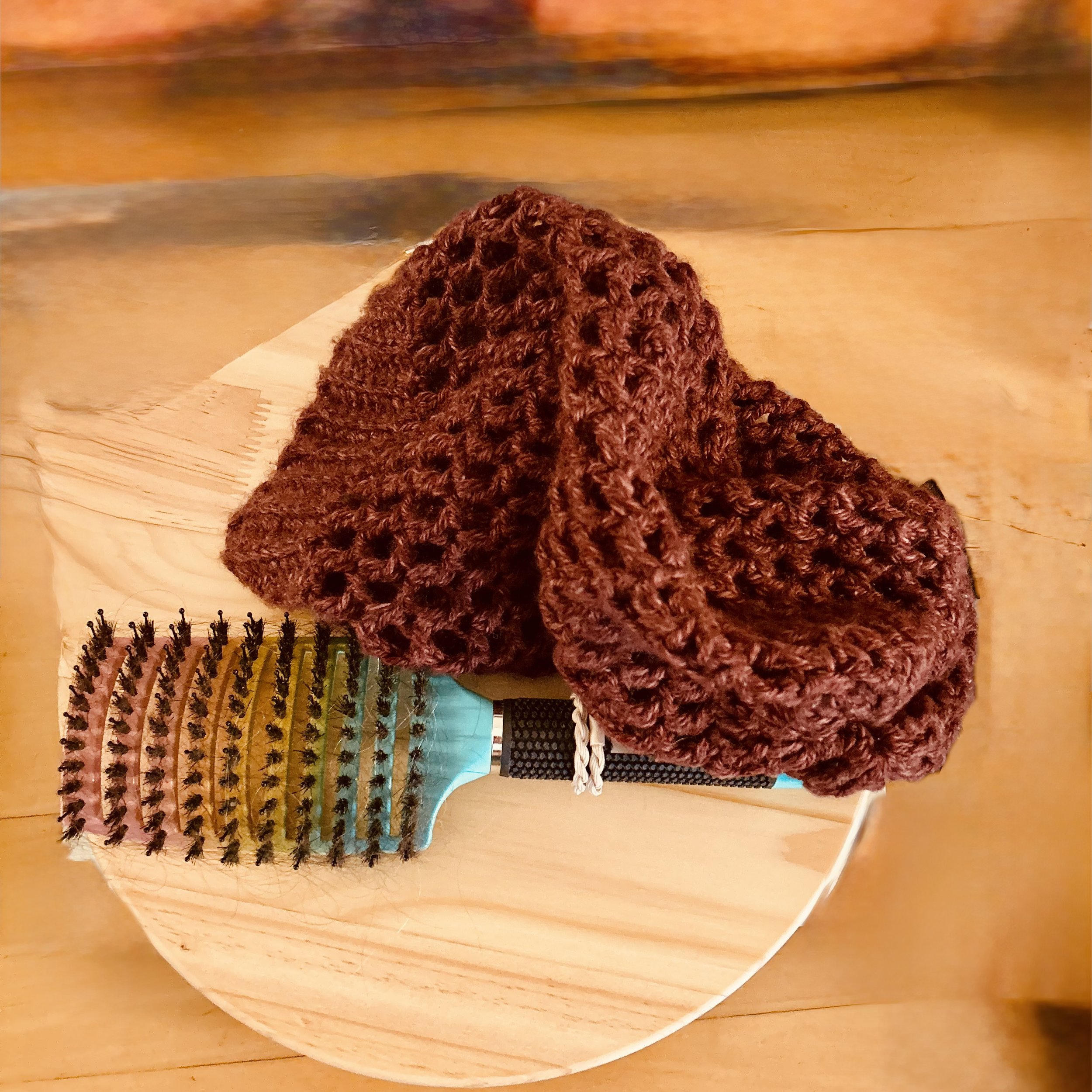
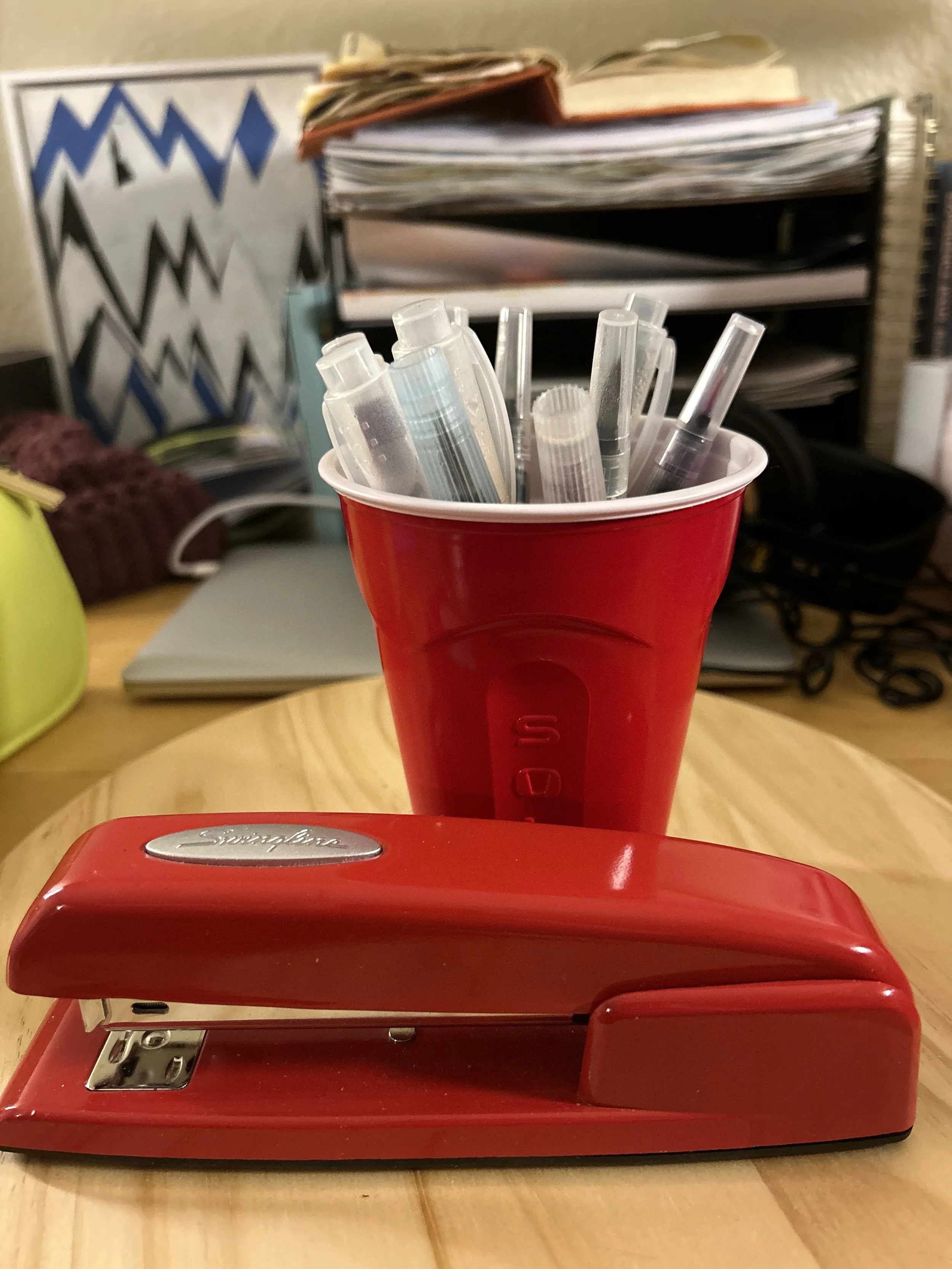
Grab a camera or your smart phone and grab a few items to catalog. If there is an area of your home that you have been wanting to declutter but haven't understood where to begin, start with that area. Grab a box or bin and collect up some things. Also, get a lazy susan, large cutting board, blanket or sheet. You will be a basic still life set up for photography.
I put my wooden lazy susan in the middle of my desk, the background didn't matter so much because iphoto now has a setting that blurs the background. One by one, I took photos of stuff on the lazy susan. I have some lighting by and around my desk that really helped. You will mostly need one or two lights, depending on the look you are going for. Don't worry so much if you cannot get the lighting right. You will get super creative with these images when you turn them into sketches.
You can get as creative as you want with the photography, and photos might be just the thing to get to the art making. If you don't draw or paint, photography might be your speed. Stick to taking photos of your belongings, or even try some still lives where you draw directly from the objects.
Part Two
Next up is completely optional! You can sketch, paint or draw the items as you go through them. I'm keeping mine as photography, because I've been wanting to learn more about taking photos.
Whatever art feels most comfortable to you, and wherever your inspiration leads...that is the art practice for you! Experiment with different media and see what speaks to your own soul. Maybe you want to collect packaging from some of the items to use in a collage, or maybe you want to create some assemblage art from some of the stuff.
Try using cardboard from shipping boxes to draw and paint on. Or tear them into smaller pieces and use the cardboard to spread paint on your surfaces.
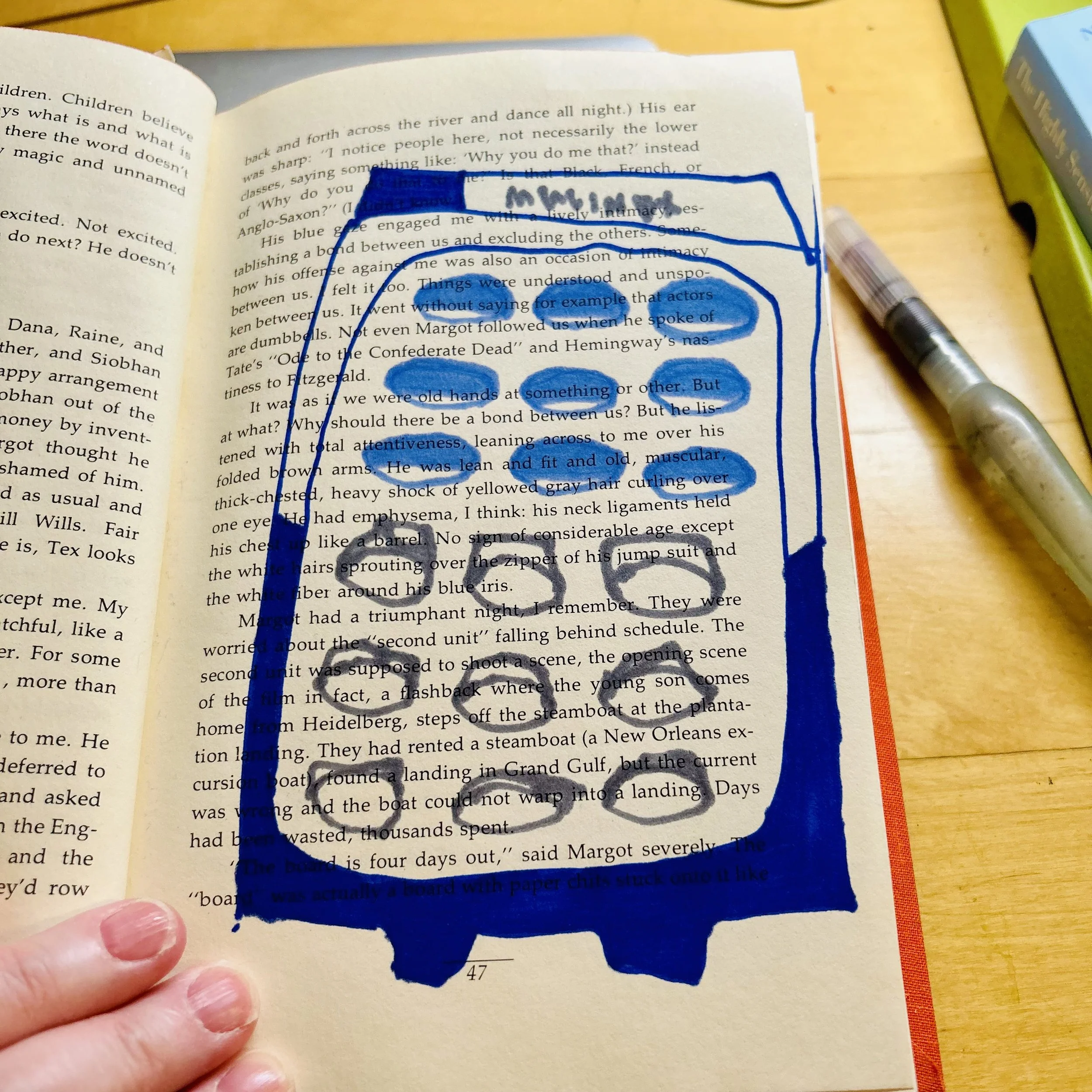
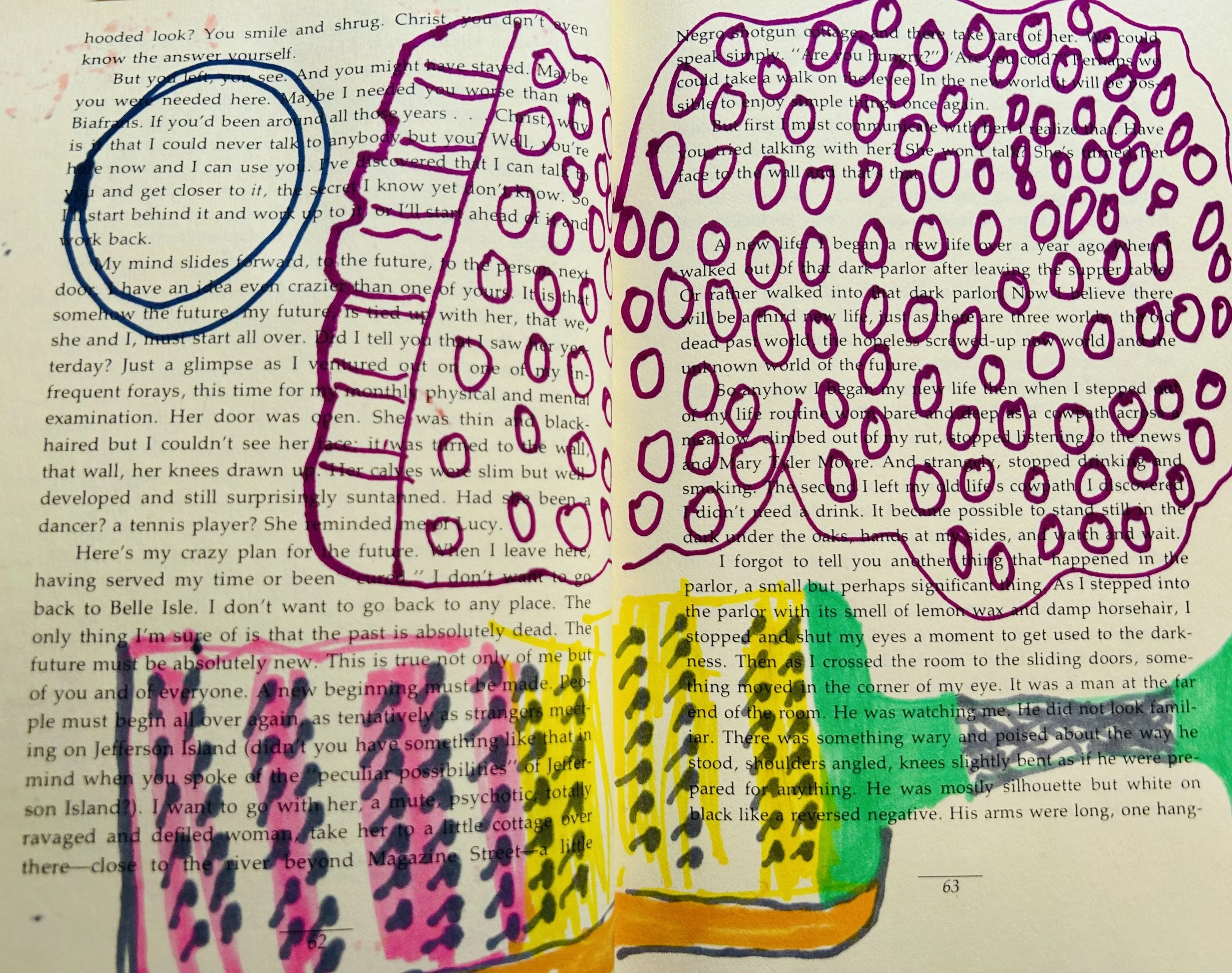
I used markers and paint markers on old book pages.
Part Three
The next part is super fun, the story of your stuff! If you are sharing your photos or art online somewhere, be sure to have a story to go with each item. It can be a few sentences about what the item means to you, or where you got the item. If it was a gift, say who gave it to you, and let the audience know what that item means to you. This would also be a great post for a blog or Substack, to share more about yourself as a creative and author. Or you could arrange your works into a memoir style project. The sky is the limit!
I hope this short workshop has you thinking differently about your stuff. Hopefully by the end of these three steps, you will have fresh content to share online, and you will have a decluttered zone in your home. If you enjoyed this workshop, let me know! I'm on Instagram and Facebook or find me on Blusky. The links are listed on my Bio page!
Part Four
Sharing online is a great way to have accountability to finally declutter your spaces. As you go through items, sort them into bags or bins. Set up four boxes, one to keep, one to donate, one to recycle and a bag for trash. You don't have to decide immediately whether or not you want to keep things, but once you get on a roll it will become easier. You might find that documenting your belongings makes it easier to let some things go.
If you have a collection of items that you want to let go, that is worth money, consider selling it on EBay or Poshmark. There are other sales sites out there too. Do some research, you took time to collect the items. Find the right outlet for them. Otherwise, let that shit go! It has been so hard for me to get rid of stuff because I've been so hesitant to contribute to the trash heaps on the planet. But the only way to really stop that is to stop shopping, because that stuff is going to be trash someday anyway. Using it for as long as is possible, and as long as the stuff is needed is good practice. But you deserve to live in a home that isn't crammed full of stuff. You deserve to breathe. It is easier to clean your space with less stuff too!